Every calf rearing season brings its challenges, but the foundations of raising healthy, productive calves remain the same. Good systems, excellent colostrum management, clean environments and consistent care can make the difference between thriving calves and costly health problems.
At Vet Services Hawke’s Bay, we recently shared some of our top calf rearing tips with local farmers. Here are the key take-home messages to help set your calves up for a successful season.
The Most Important People on the Farm? Your Calf Rearers!
Calf rearers play a critical role in the success of the season. One common pattern seen on farms is that problems often arise when the main calf rearer is away or unwell and someone else steps in. Consistency is key.
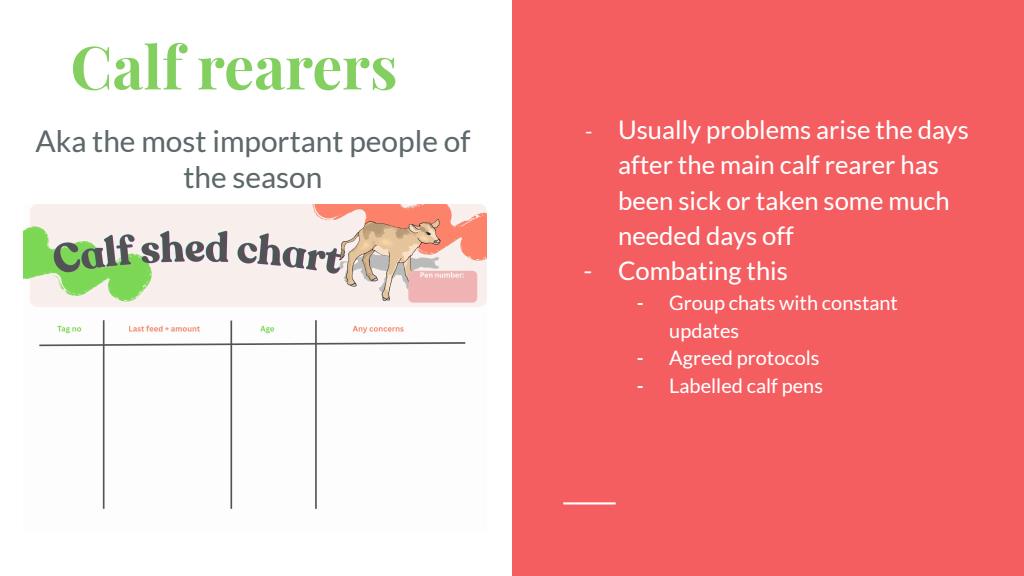
To maintain standards throughout the season:
- Have clear written protocols.
- Use group chats to keep everyone updated.
- Label calf pens clearly.
- Keep accurate records of feeding and health checks.
A good system ensures everyone caring for calves is following the same process.
Colostrum: Your One Chance to Get It Right
Colostrum management is arguably the most important factor influencing calf health. A calf can only absorb antibodies effectively for a short period after birth, with absorption declining rapidly after the first six hours of life.
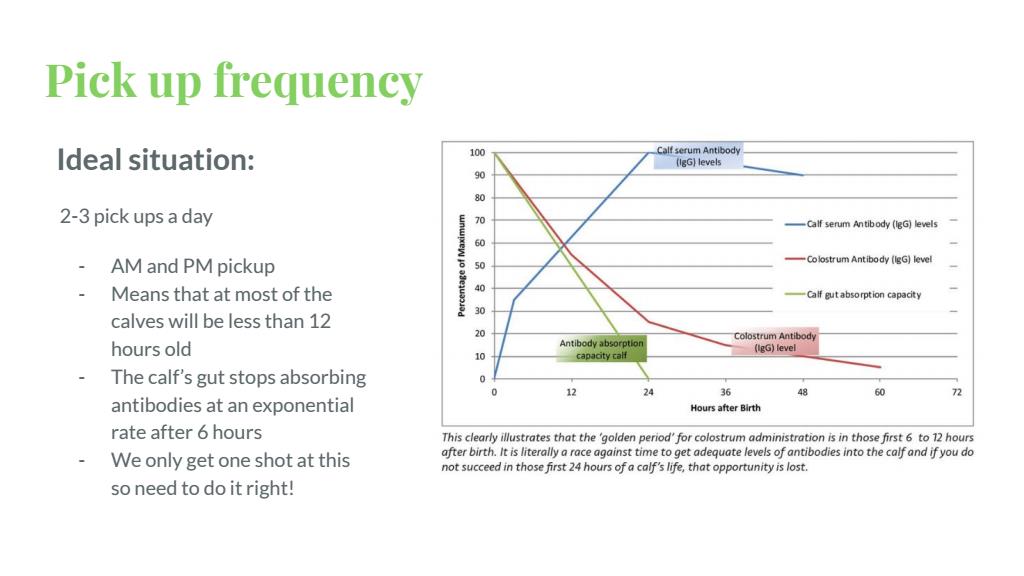
Ideally, calves should be picked up from calving paddocks two to three times a day. This means most calves are less than 12 hours old when they receive their first feed of quality colostrum.
What Makes “Gold Colostrum”?
Gold colostrum contains a high concentration of antibodies and should measure greater than 22% on a Brix refractometer.
To maximise the benefits of your calf scours vaccination programme:
- Identify freshly calved cows.
- Collect colostrum separately.
- Keep collection buckets exceptionally clean.
- Avoid mixing high-quality colostrum with other milk.
- Test colostrum quality with a Brix refractometer.
Understanding Failure of Passive Transfer (FPT)
Failure of Passive Transfer (FPT) occurs when calves do not receive enough antibodies through colostrum due to poor quality, insufficient quantity, or delayed feeding.
Calves affected by FPT are:
- More susceptible to disease.
- More likely to experience health issues later in life.
- Often lighter at weaning.
- Less productive replacements for your herd.
Risk factors include cold weather, difficult calvings, weak calves, wandering calves and delays in collection during peak calving periods.
FPT Testing
Testing early-season calves can help identify issues before they become widespread.
FPT testing:
- Uses blood samples from calves aged 2–7 days.
- Helps assess whether colostrum management is working.
- Allows management changes to be made early in the season.
Storing Colostrum Properly
Even excellent colostrum can become compromised if it isn’t stored correctly.

Key principles include:
- Maintain excellent hygiene.
- Use clean containers with lids.
- Refrigerate colostrum as soon as possible.
- Consider preservation methods such as potassium sorbate for high-value gold colostrum.
Contamination can quickly reduce colostrum quality and increase disease risk.
Clean Calf Sheds Save Calves
Good hygiene is critical for reducing exposure to pathogens such as rotavirus, cryptosporidium, salmonella, E. coli and Mycoplasma bovis.

For effective cleaning:
- Remove all manure and organic material first.
- Wash thoroughly with hot water.
- Allow surfaces to dry.
- Apply disinfectants at the correct dilution rates.
- Avoid cleaning occupied pens to minimise airborne pathogen exposure.
Remember: You can’t disinfect dirt. Physical cleaning must come before disinfection.
Tubing Calves: A Valuable Skill
Sometimes calves need assistance receiving colostrum, milk or electrolytes.
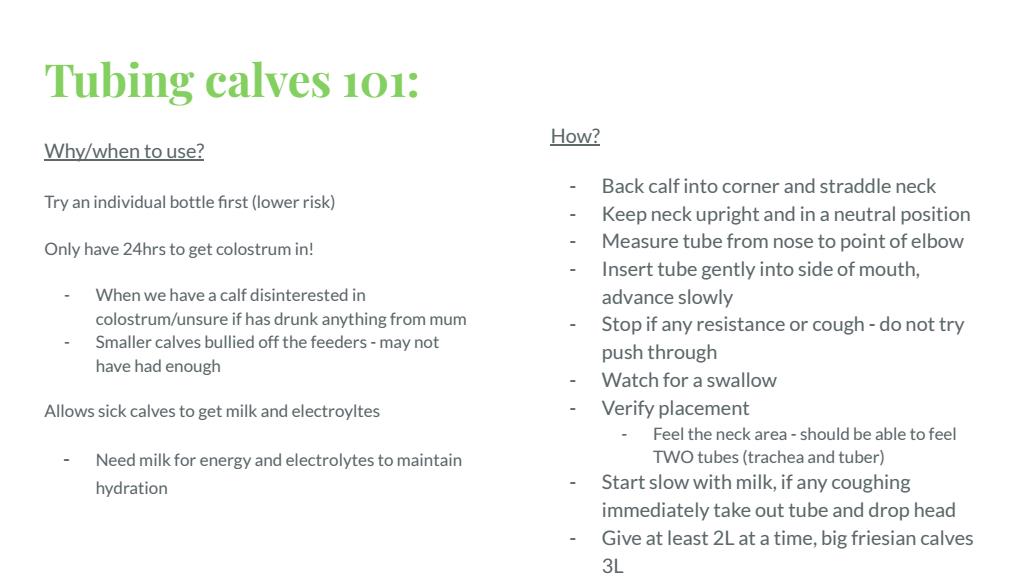
Tubing may be appropriate when:
- A calf is not interested in drinking.
- You’re unsure whether a calf has fed.
- Small calves are missing out in group feeding situations.
- Sick calves require nutrition and hydration support.
Always ensure correct tube placement and stop immediately if the calf coughs or shows signs of distress. If you’re unsure, ask your veterinarian to provide tubing training before calving starts.
Recognising and Managing Scours
Scours remain one of the most significant causes of illness and death in young calves. Failure of passive transfer greatly increases susceptibility.
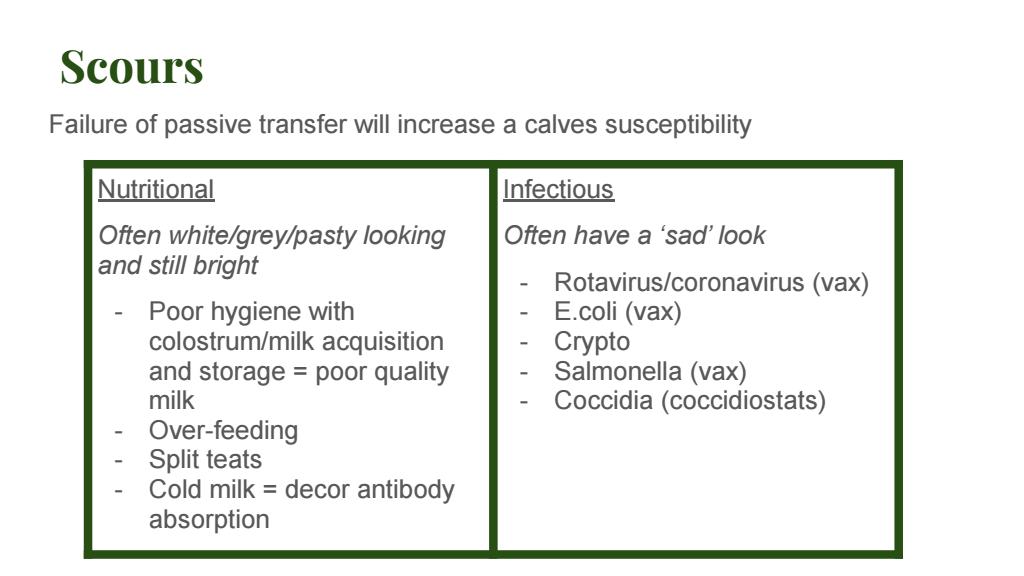
Nutritional Scours
These often occur due to:
- Inconsistent feeding.
- Poor milk hygiene.
- Overfeeding.
- Cold milk.
- Equipment issues such as split teats.
Infectious Scours
Common causes include:
- Rotavirus
- Coronavirus
- E. coli
- Cryptosporidium
- Salmonella
- Coccidia
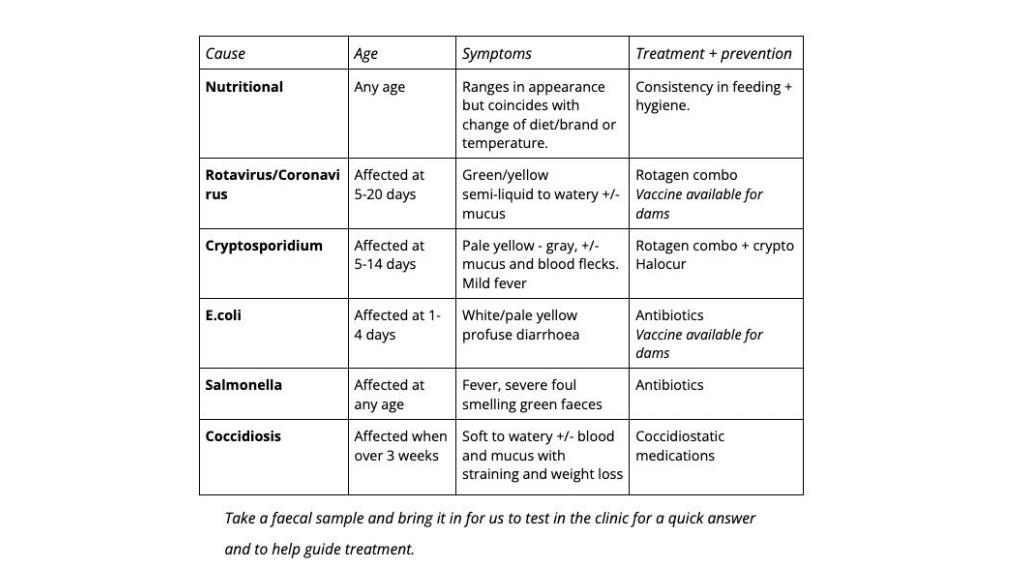
When investigating scours, taking a faecal sample can help identify the cause and guide treatment decisions.
Treating Scours
One of the biggest dangers of scours is dehydration and metabolic acidosis. Treatment should focus on maintaining hydration and energy intake.
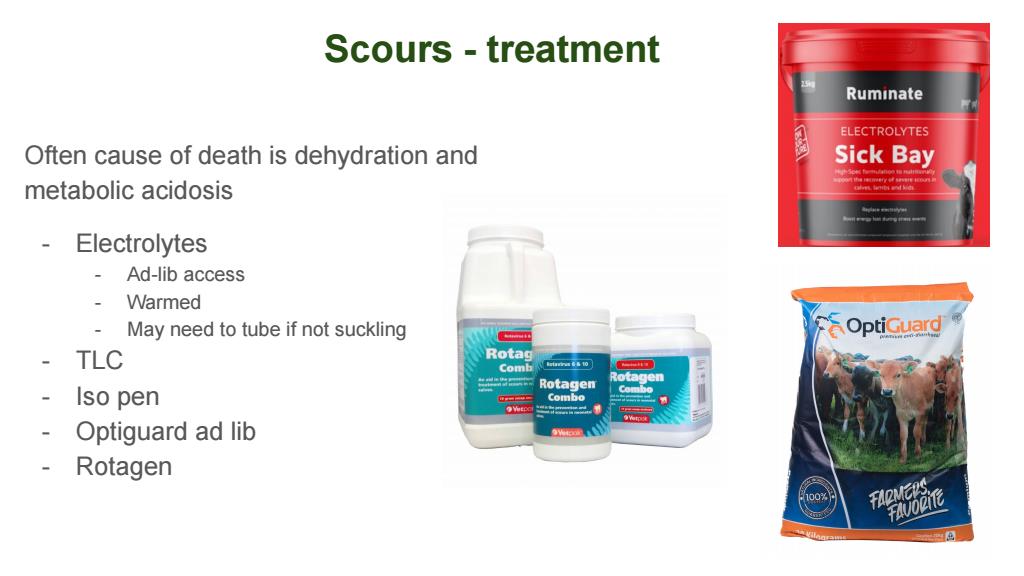
Treatment commonly includes:
- Warm electrolytes.
- Continued milk feeding where appropriate.
- Isolation of affected calves.
- Good nursing care and monitoring.
Weaning for Future Performance
Successful weaning starts well before calves stop receiving milk.
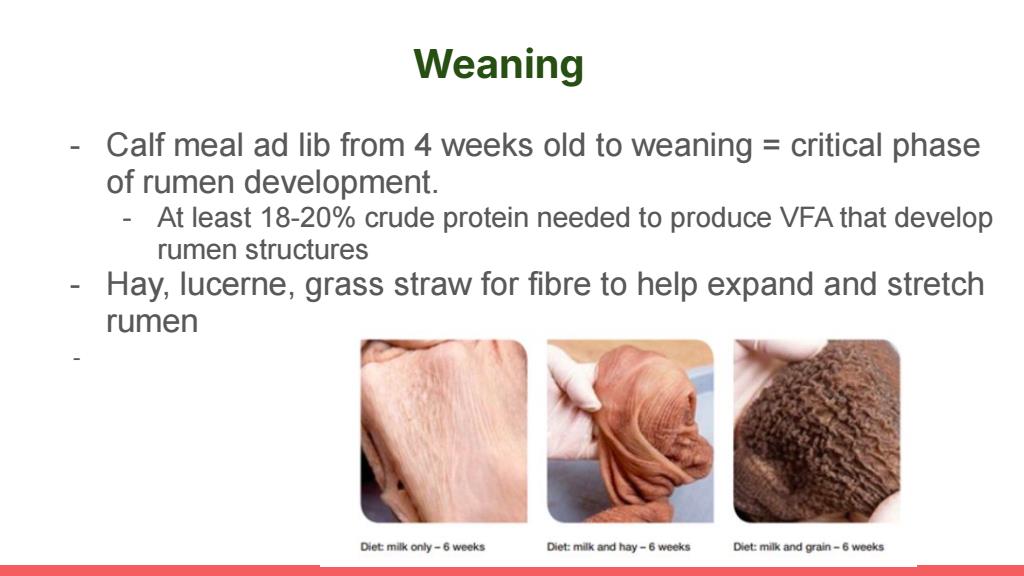
To support rumen development:
- Provide calf meal from around four weeks of age.
- Use a meal containing at least 18–20% crude protein.
- Offer quality fibre sources such as hay, lucerne or straw.
Weaning should occur gradually over one to two weeks to minimise stress and reduce disease risk. Calves should be consistently eating 1–2 kg of meal daily before milk is fully removed.
Target minimum weaning weights include:
- Jerseys: approximately 80 kg
- Crossbreds: approximately 90 kg
- Friesians: approximately 100 kg
Regular weighing can help ensure calves stay on track.
Final Thoughts
The calves born this season are the future of your herd. Investing time in quality colostrum management, hygiene, consistency and monitoring can significantly improve calf health, growth and long-term performance.
If you have any concerns about your calves this season, or would like to learn more please contact your local Vet Services clinic.
- Hastings 06 876 7001
- Napier 06 843 5308
- Waipukurau 06 858 9060
- Dannevirke 06 374 7021