Written by Isabel Simpson
We’ve recently seen a spike in clinical cases of facial eczema across the region. This disease is caused by a fungus that damages the liver, mainly affecting sheep and cattle.
Although spore counts dropped last week, we’re not out of the danger period — and we’re now seeing the effects of earlier exposure. Facial eczema is painful and distressing, so early action is key.
Signs to look out for:
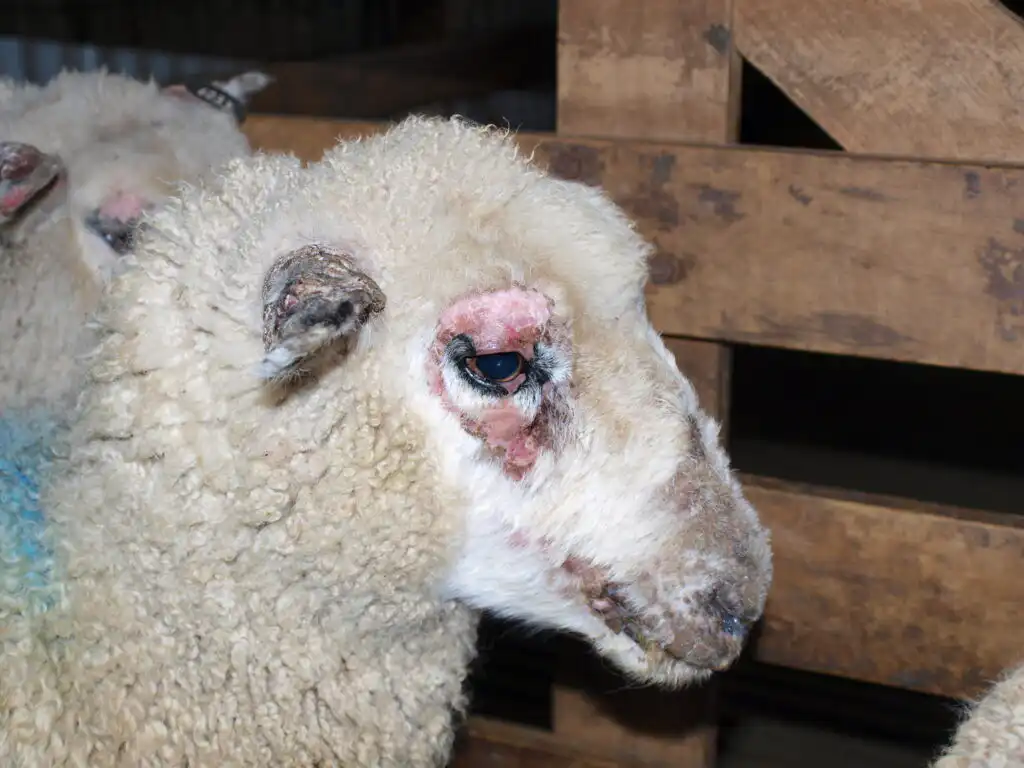
• Drooping ears
• Swollen, reddened, or scabby skin (especially face and udder)
• Shade-seeking, restlessness, avoiding sunlight
• Reduced appetite
If animals look sunburnt, are hiding in the shade, or just seem “off” — it could be early facial eczema. Don’t wait for severe signs like peeling skin or jaundice before acting.
If you suspect facial eczema:
• Move stock to safe pasture with plenty of water
• Provide shade or consider daytime housing
• Check zinc protection (dose + duration)
• Consider Mandisons Mix to support liver recovery
• Use zinc cream on affected skin
• Anti-inflammatories can help reduce pain and swelling
• Antibiotics may be needed for secondary infections
For every animal showing signs, there may be 10 more affected subclinically — impacting growth, fertility, and production. Young stock and high producers are most at risk. Severe cases can be fatal.
If you’re unsure, get in touch. We’re here to support you, your stock, and your welfare obligations.