Articles

Keep up to date with all our latest news, articles of interest, and case studies from the veterinary world around Hawke’s Bay.

Dangers of calf feed!

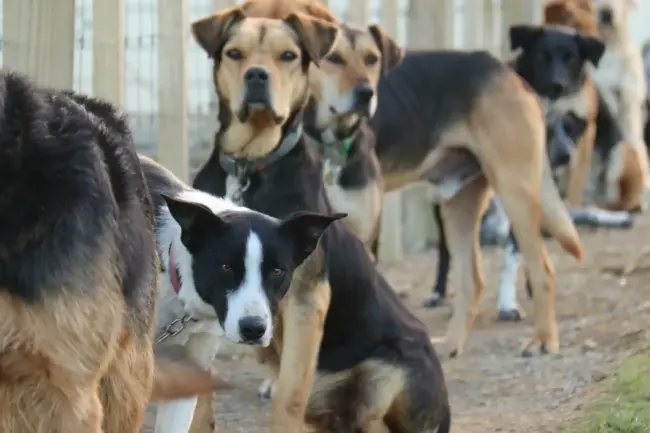
  Over the last few weeks, we have had a series of dogs presenting to the Dannevirke & Waipukurau clinic with suspected ionophore toxicity, following ingestion of calf milk replacer or meal.   While these feeds are fantastic for rapidly growing young calves, the products can pose a very serious danger to dogs and other…

Details
Heifer Teat Sealing

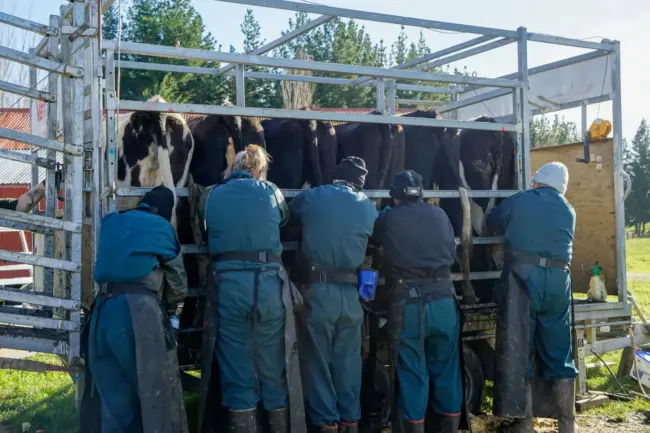
  Heifer teat sealing is one of the most effective interventions we can perform to improve animal welfare on farms across New Zealand.   Heifer mastitis before or after calving, or during the first lactation, significantly affects udder health and lifetime milk yield.   Heifers have been shown to have a higher risk of clinical mastitis…

Details

Vet Services Launch Farmers Podcast!

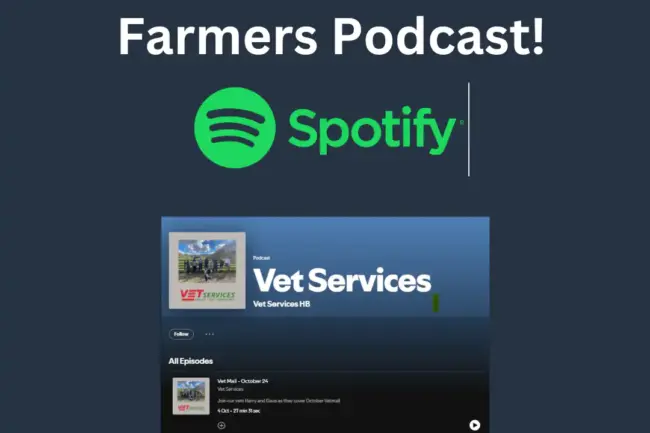
  Vet Services is excited to announce the launch of our new podcast channel! Designed for our Production Animal Clients, this platform will provide valuable insights, expert advice and latest updates in veterinary care. Find it on Spotify to tune in and hear discussions on animal health, management practices and much more. https://open.spotify.com/show/3W2brSXcjT6fuPhPJg7SuF We can’t…

Details

Join Us for Our Winter Dairy Seminars

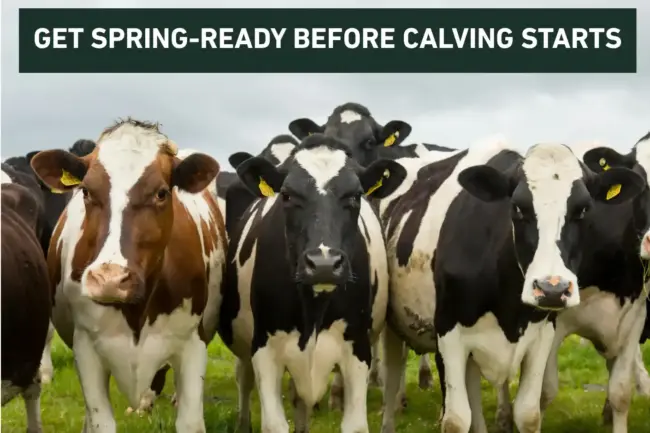
HASTINGS SEMINAR📍 Patoka Hall, 1 Hendley Road📅 Monday 29 June | 🕚 9.30am What we’ll cover: Calf rearing prep Down cows and metabolic disease Calving challenges Spring herd health planning Open Q&A with our vets Plenty of practical tips, real-life scenarios, and a chance to ask questions along the way. Plus we’ll have morning tea,…

Details

Help when you’re grading – Mastitis Demerit Investigations

Cows with both clinical and subclinical mastitis will have increased somatic cell counts in their milk.  When there are a number of high somatic cell count cows contributing to the vat, this may cause the bulk milk somatic cell count to exceed 400,000 causing you to grade.  You will receive financial penalties from the milk…

Details

Lungworm

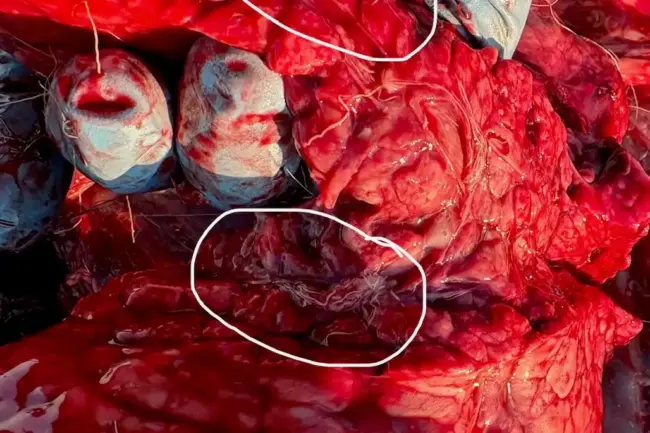
Although not the typical season for it, we are still seeing some lungworm around. Notably in yearling deer and cattle. Lungworm is picked up while animals are grazing contaminated pasture. Larvae are ingested and make their way from the gut to the lungs, where they grow into adult worms. Those adults’ lay eggs, which are…

Details