Sheep Reproduction Services

  VSHB are involved in some large artificial breeding programmes such as the release of breed such as Finnish Landrace, the Texel, the Awassi and the East Friesian and work closely with individual New Zealand breeders with AI/ET programmes for advancement of superior genetics.   In the last 12 months (despite Covid-19) we successfully Implanted…

Sheep Scanning Booking Form

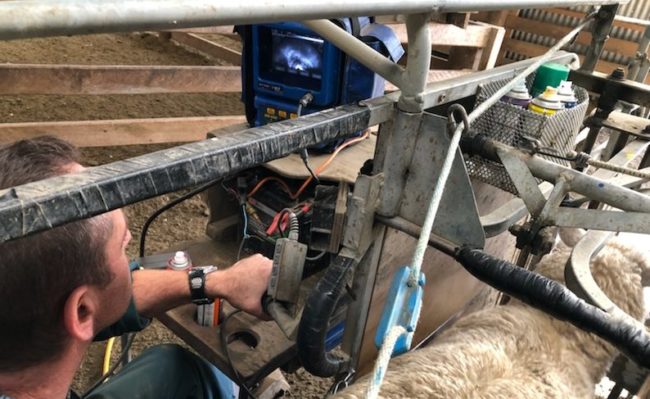
Sheep Scanning is used to ascertain whether or not a sheep is pregnant (“wet” vs “dry”, known as WD) and/or how many lambs she is carrying (single vs twin vs triplet, known as TSD or Triplets). We strongly encourage investing in pregnancy scanning as the scanning data allows you to maximise your flock performance with…

Lice in Sheep

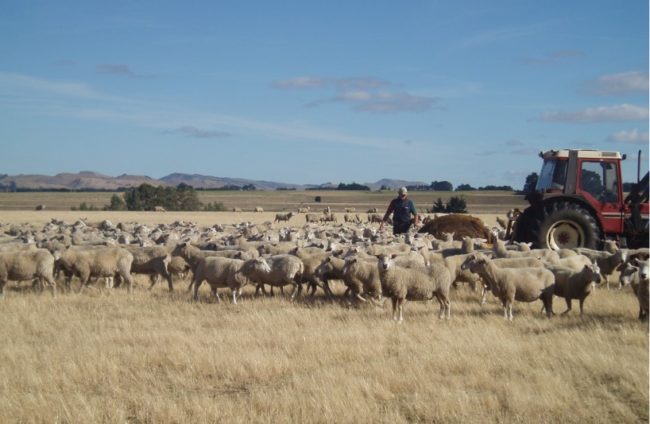
A common winter issue, lice are prevalent at this time of year due to their preference for cooler, darker and drier weather conditions. Infestations develop as a slow burn on healthy animals, with numbers gradually increasing on individuals. The entire lifecycle of lice is spent on sheep, so transmission between individual animals can only occur…

Ticks in Deer

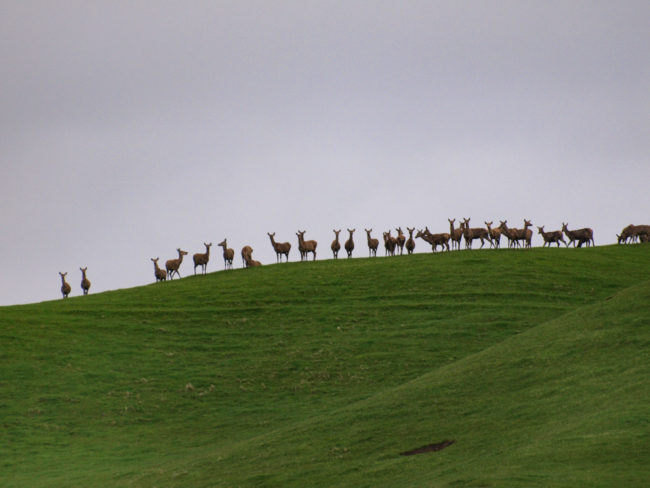
Ticks thrive in warmer climates and so are commonly distributed across the North Island, although they are becoming an increasingly widespread issue. During their lifecycle they move on and off a host three times. Eggs are laid on the soil in summer, hatching to larvae in late summer/early autumn. The larvae migrate up the pasture…

Hoof Health

Incidence of lameness varies between herds and varies during the season. Smaller herds still have an incidence of 10% lame cows in the herd, larger herds often show higher incidences: up to 30%. Wet periods will boost the number of clinically lame cows, due to gravel being pushed into existing white line defects, softening of…